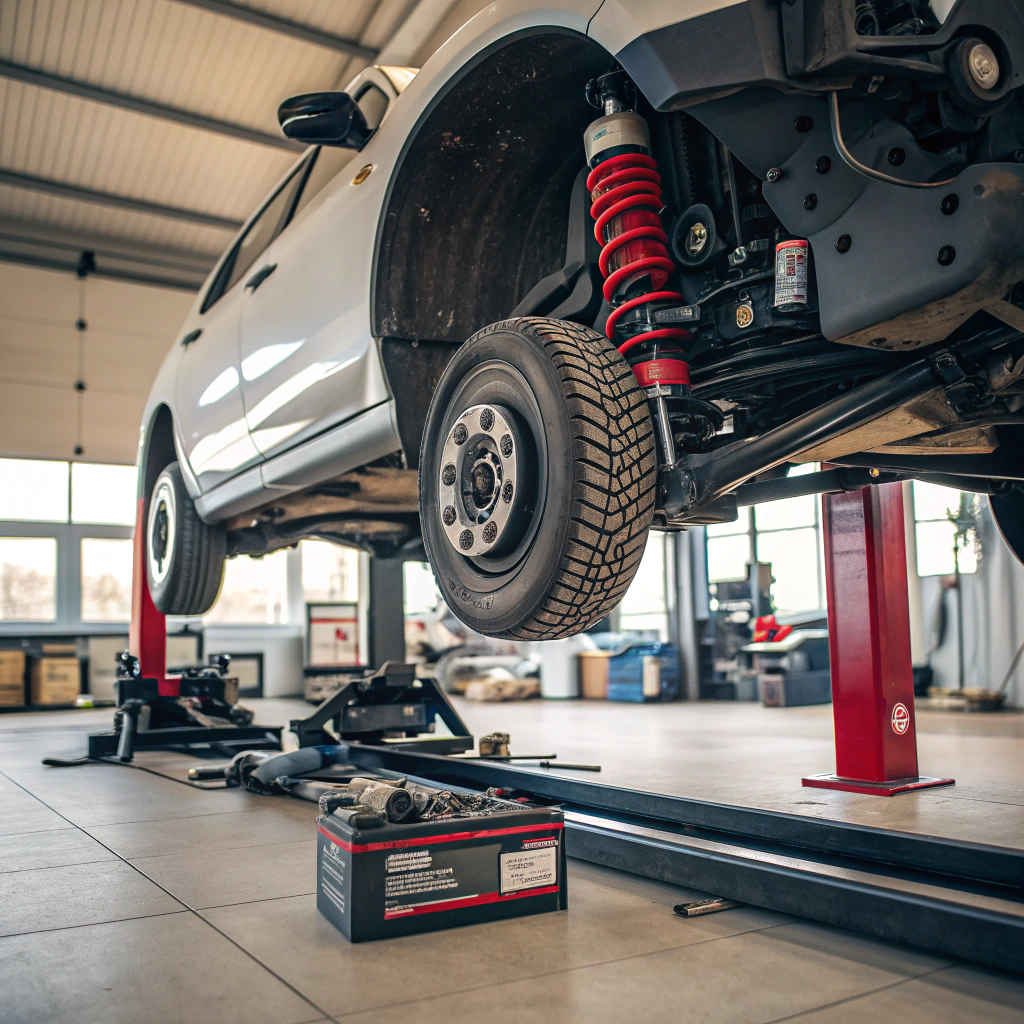
Flashing Check Engine Light: Stop Driving and Save Money
A flashing check engine light indicates a severe engine misfire that is currently occurring. Unlike a steady light, a blinking one means unburned fuel is entering the exhaust system, which can cause immediate, permanent damage to your catalytic converter and internal engine components. You should pull over safely and stop driving immediately.
What does a flashing check engine light actually mean?
When your car's onboard computer detects a problem, it communicates through the Malfunction Indicator Lamp (MIL), commonly known as the check engine light. A steady light usually signals a minor issue, like a loose gas cap or a faulty sensor, that needs attention soon but isn't an immediate emergency. However, a flashing check engine light is the automotive equivalent of a 911 call.
It specifically signals a "Type A" misfire. This means the engine is misfiring so severely that it is sending raw, unburned gasoline directly into the exhaust system. Because the catalytic converter operates at extremely high temperatures, this raw fuel can ignite inside the converter, causing it to overheat and melt internally. At High Tech Auto in Santa Maria, we see this often—a driver ignores the blink for just a few miles, and a simple repair turns into a multi-thousand-dollar catastrophe.
An engine misfire occurs when one or more cylinders fail to ignite the fuel-air mixture properly. This could be due to:
- Failing spark plugs or ignition coils
- Faulty fuel injectors
- A vacuum leak in the intake manifold
- Low engine compression
- Faulty engine sensors (like the Mass Air Flow or Oxygen sensor)
Why should you not continue driving with a blinking light?
The risk isn't just about the car breaking down on the side of the road; it’s about the massive financial toll of continued operation. When you see that light blinking, your engine is essentially "suffocating" or "poisoning" itself. Every second the engine runs in this state, you are risking the structural integrity of the motor.
Driving with a misfire causes the vehicle to shake, lose power, and consume fuel at an alarming rate. More importantly, the uneven power strokes put immense stress on the crankshaft and engine mounts. If you’re in Santa Maria and this happens, the best move is to navigate to the shoulder of the road, turn off the ignition, and call for a tow. Our team at High Tech Auto is always ready to help you navigate these stressful moments with honest advice.
Saving your catalytic converter from a total meltdown
The catalytic converter is one of the most expensive components of your vehicle's exhaust system. Its job is to convert toxic pollutants into less harmful gases. However, it is not designed to handle liquid fuel. When a flashing check engine light is ignored, the raw fuel dumping into the exhaust can raise the temperature of the converter to over 2,000 degrees Fahrenheit.
At these temperatures, the ceramic honeycomb structure inside the converter melts, effectively plugging your exhaust. Once this happens, the part cannot be repaired; it must be replaced. Depending on your vehicle—especially for the European makes we specialize in at High Tech Auto—a new catalytic converter can cost anywhere from $1,000 to $4,000. Acting fast and choosing a tow to our shop can save you from this massive bill.
Protecting your engine's cylinders and piston rings
Beyond the exhaust system, a severe misfire threatens the "heart" of your car: the cylinders and piston rings. In a healthy engine, the piston rings create a tight seal against the cylinder walls, allowing for compression and keeping oil out of the combustion chamber.
When a misfire occurs, the unburned fuel can actually wash away the thin film of oil that lubricates the cylinder walls. Without this lubrication, the metal piston rings rub directly against the metal cylinder walls, causing "scuffing" or scoring. This leads to loss of compression, increased oil consumption, and eventually, the need for a total engine rebuild or replacement.
By stopping the vehicle immediately, you ensure that the repair remains focused on the cause of the misfire (like a $150 ignition coil) rather than the consequences of the misfire (like a $6,000 engine block). If you're unsure about the state of your engine, our diagnostic services use state-of-the-art equipment to pinpoint the exact issue without guesswork.
Is it safe to drive to the shop if it’s only a mile away?
This is a question we hear frequently at High Tech Auto. The short answer is: No. Even a single mile of driving with a flashing check engine light is enough to reach those critical temperatures that melt a catalytic converter. While it might be tempting to save the cost of a tow, the math rarely works out in your favor.
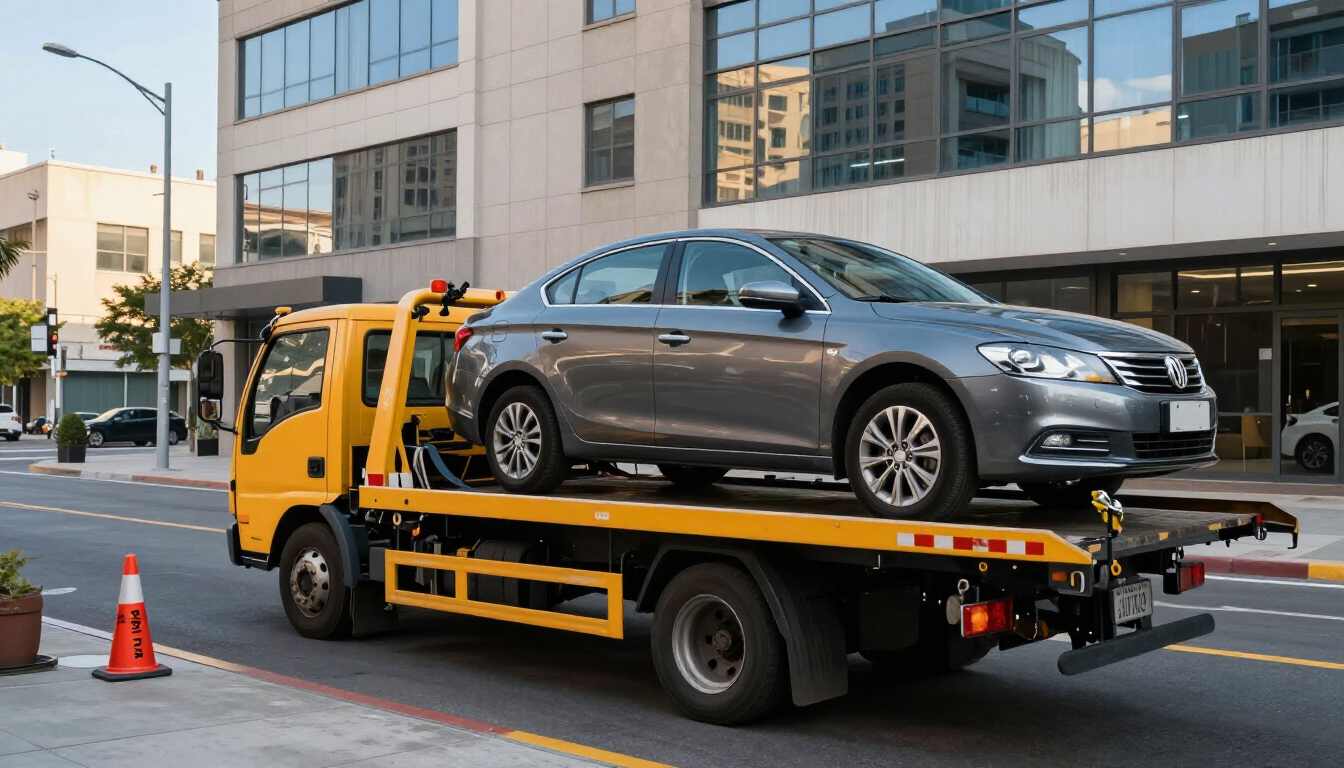
A local tow in Santa Maria typically costs a fraction of what a new exhaust system or engine overhaul would. We prioritize your safety and your wallet. If you are stranded, give us a call, and we can recommend reliable local towing partners to get your vehicle to our Westgate Road facility safely.
How High Tech Auto handles engine misfire diagnostics
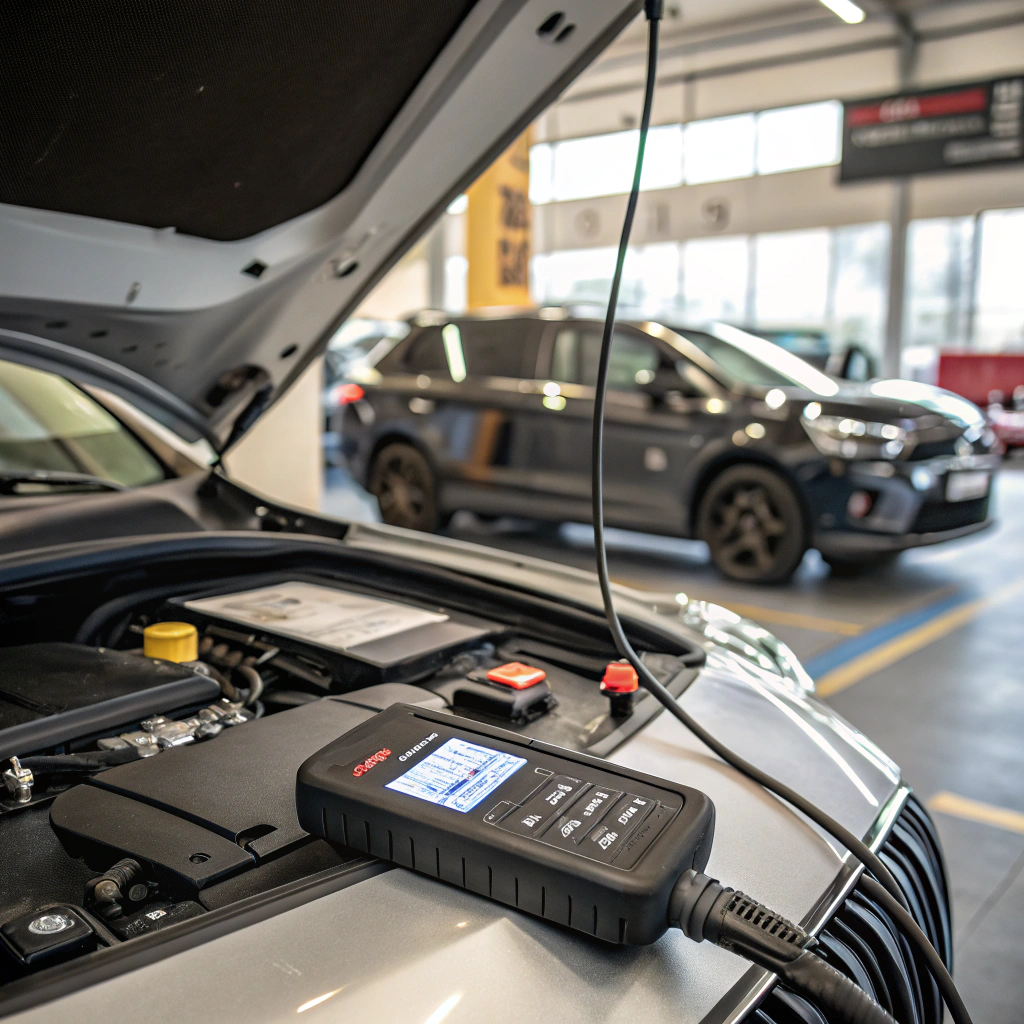
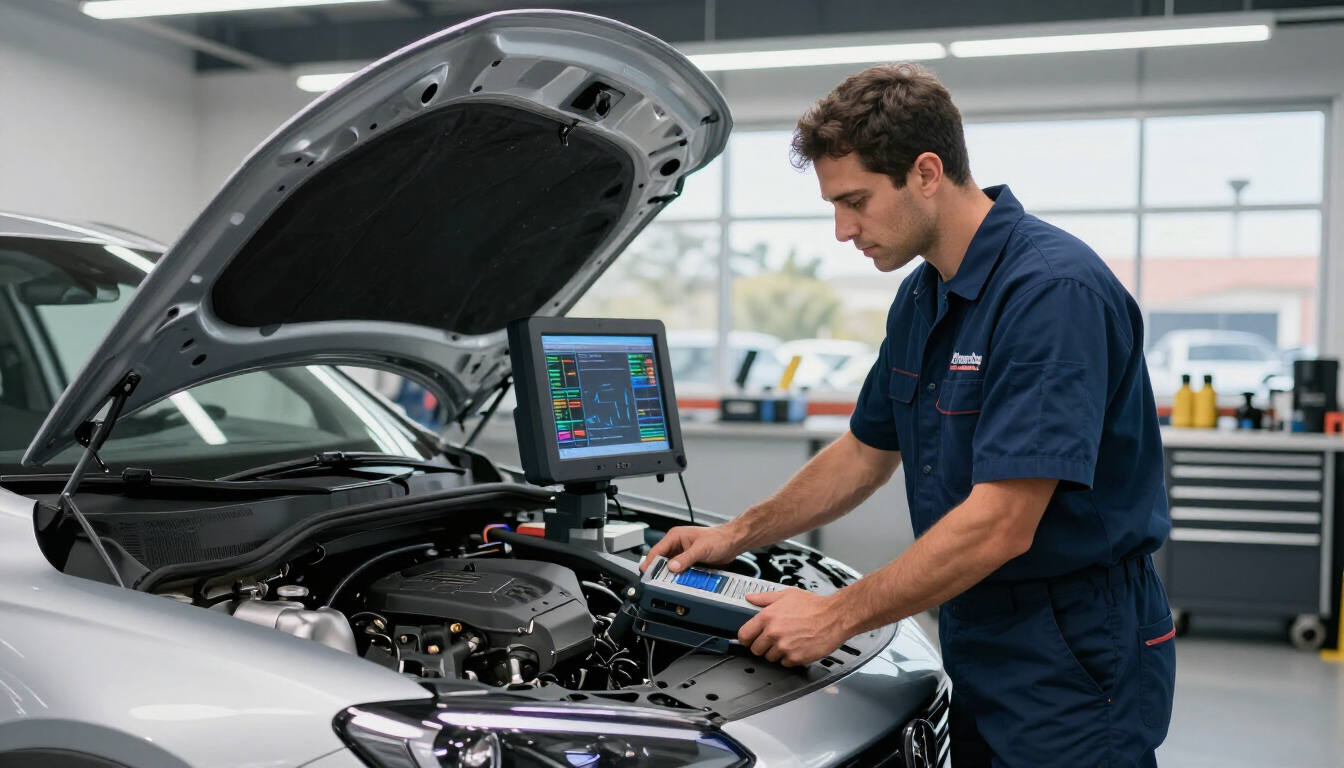
When your vehicle arrives at our shop, we don't just clear the code and send you on your way. We dig deep to find the root cause. Our factory-trained technicians use the same high-level diagnostic tools found at dealerships, but with the personal touch of a family-owned business.
- Digital Scan: We retrieve the specific trouble codes (like P0300 for a random misfire).
- Live Data Analysis: We look at fuel trims and ignition timing while the engine is running (if safe) to see how the computer is trying to compensate.
- Physical Inspection: We check spark plugs for fouling, inspect ignition coils for cracks, and look for vacuum leaks.
- Transparent Reporting: We explain exactly what happened and provide a clear, upfront quote before any work begins.
Whether you drive a domestic truck or a high-end European sedan, our goal is to get you back on the road with total confidence. Check out our reviews to see how we’ve helped other Santa Maria drivers solve complex engine issues.
Proactive maintenance saves you thousands in the long run
The best way to deal with a flashing check engine light is to prevent it from ever happening. Most misfires are the result of neglected maintenance. Spark plugs, for example, have a specific lifespan—usually between 60,000 and 100,000 miles. When they are left in too long, they require more voltage to fire, which eventually burns out the ignition coils.
By following your manufacturer’s maintenance schedule , you can replace these wear items on your own terms rather than during an emergency on the side of the road. At High Tech Auto, we provide comprehensive inspections during every oil change to catch these issues before they turn into blinking lights. We even offer financing options for larger repairs to help keep your vehicle safe and reliable without breaking the bank.
Summary of what to do when your check engine light flashes
If you find yourself behind the wheel when that amber light starts blinking, remember these key takeaways to protect your car and your budget:
- Stop Immediately: Pull over to a safe location as soon as possible and turn off the engine.
- Do Not "Limp" Home: Even low-speed driving continues the flow of unburned fuel into the catalytic converter.
- Tow, Don't Drive: The cost of a tow is a small investment to prevent thousands in damage.
- Call the Experts: Contact a trusted shop like High Tech Auto for a professional diagnostic.
- Verify the Repair: Ensure your mechanic checks for secondary damage to the exhaust system after fixing the misfire.
Dealing with engine trouble is never fun, but acting quickly can turn a major disaster into a manageable repair. At High Tech Auto, we treat every car like it’s our own, ensuring you get the honest communication and technical excellence you deserve. If your light is on—steady or flashing—don’t wait. Schedule an appointment or stop by our shop in Santa Maria today.