Vehicle Fluid Level Checks: 5 Reasons They Matter
Regular vehicle fluid level checks are essential for maintaining engine lubrication, preventing overheating, and maximizing fuel economy. By ensuring oil, coolant, and transmission fluids are at optimal levels, you protect your engine from friction-related damage and avoid costly repairs while keeping your vehicle running smoothly on California roads.
Why are vehicle fluid level checks so critical?
For many drivers in Santa Maria, a car is more than just a way to get from point A to point B; it is a lifeline for work, family, and adventure. Whether you are commuting down Westgate Road or heading out for a weekend trip, your vehicle’s health depends on the fluids circulating within its complex systems. Think of fluids as the blood of your car. Just as your body needs proper circulation to function, your engine, transmission, and braking systems require specific fluids to operate under extreme pressure and heat.
At High Tech Auto, we often see vehicles that could have avoided major repairs with a simple five-minute check. Regular vehicle fluid level checks provide an early warning system. They can reveal leaks, internal engine issues, or the natural degradation of vital components. When you skip these checks, you are essentially flying blind. You might not notice a slow coolant leak until your temperature gauge spikes and your engine begins to smoke—at which point, the damage may already be done. Our family-owned shop emphasizes transparency and honesty, which is why we always encourage our customers to understand the 'why' behind their maintenance schedules. Keeping those levels topped off and clean is the cheapest insurance policy you can buy for your vehicle.
The Role of Engine Lubrication in Longevity
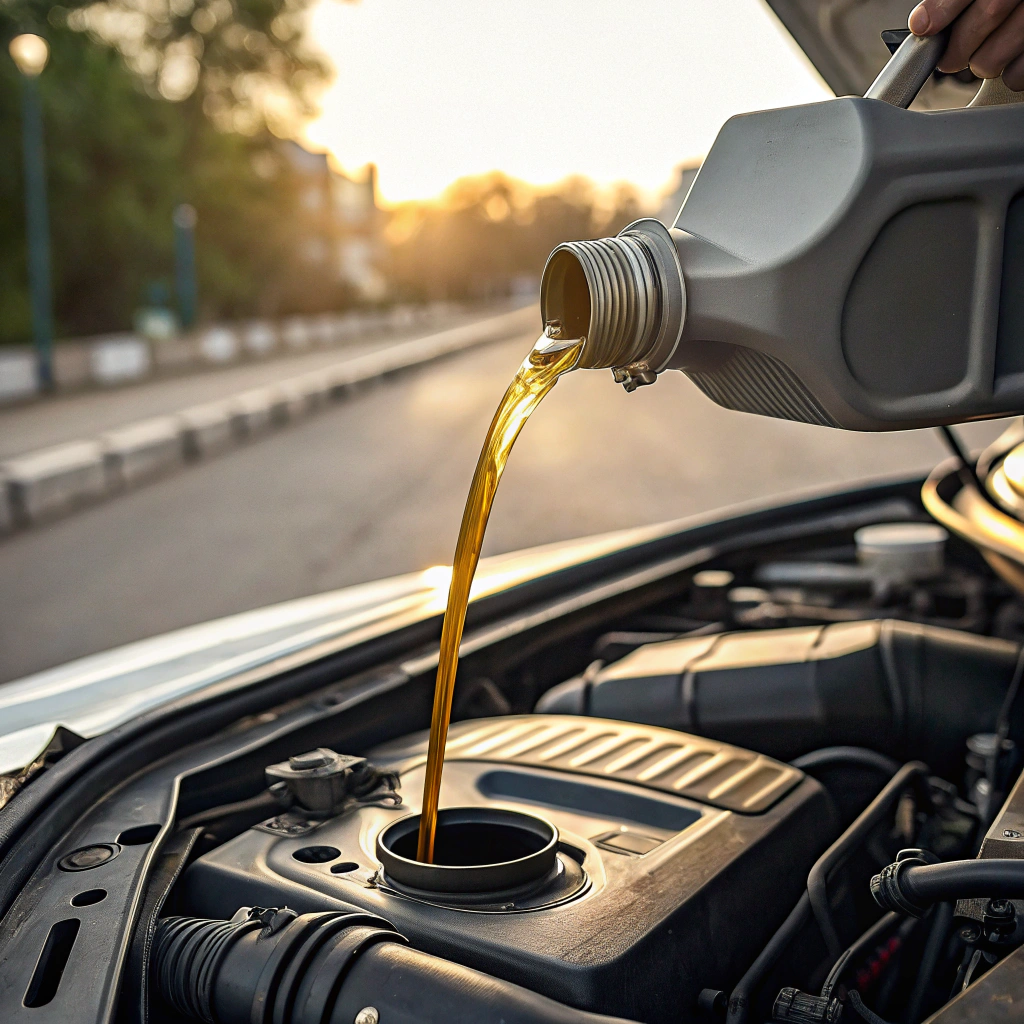
Engine lubrication is perhaps the most discussed yet misunderstood aspect of automotive care. Your engine is a collection of hundreds of metal parts moving at thousands of revolutions per minute. Without a thin, consistent layer of oil separating these parts, the resulting friction would generate enough heat to melt the metal together in a matter of seconds. This is why high-quality oil and proper levels are non-negotiable.
Lubrication does more than just reduce friction, though. It also acts as a cleaning agent, picking up microscopic debris and carbon deposits and carrying them to the filter. Furthermore, oil helps dissipate heat away from the combustion chamber. In high-performance European vehicles, which we specialize in here at High Tech Auto, the tolerances are incredibly tight. Even a slight drop in oil pressure due to low fluid levels can cause irreversible wear on camshafts, bearings, and pistons. Regular Services include checking these levels to ensure your engine remains pristine for years to come.
How do fluid levels affect your fuel economy?
Many drivers are surprised to learn that their fuel economy is directly tied to the condition and level of their vehicle's fluids. When your engine lacks proper lubrication, internal friction increases. This friction creates resistance, meaning the engine has to work harder and burn more fuel just to maintain the same speed. It is a subtle drain on your wallet that adds up over hundreds of miles of driving around the Central Coast.
It isn't just about the engine oil, either. Your transmission fluid plays a massive role in efficiency. If the fluid is low or degraded, the transmission may struggle to shift smoothly or maintain the correct gear, leading to 'gear hunting' or slipping. This inefficiency wastes energy and drops your miles-per-gallon (MPG) significantly. Similarly, if your cooling system isn't functioning perfectly due to low coolant levels, the engine may run hotter than its optimal operating temperature. Modern engine computers will often adjust fuel delivery to compensate for heat, usually by running a 'richer' fuel mixture, which further kills your fuel economy. By staying on top of your vehicle fluid level checks, you are ensuring every drop of gasoline is used as efficiently as possible.
Crucial Fluids Every Driver Should Monitor
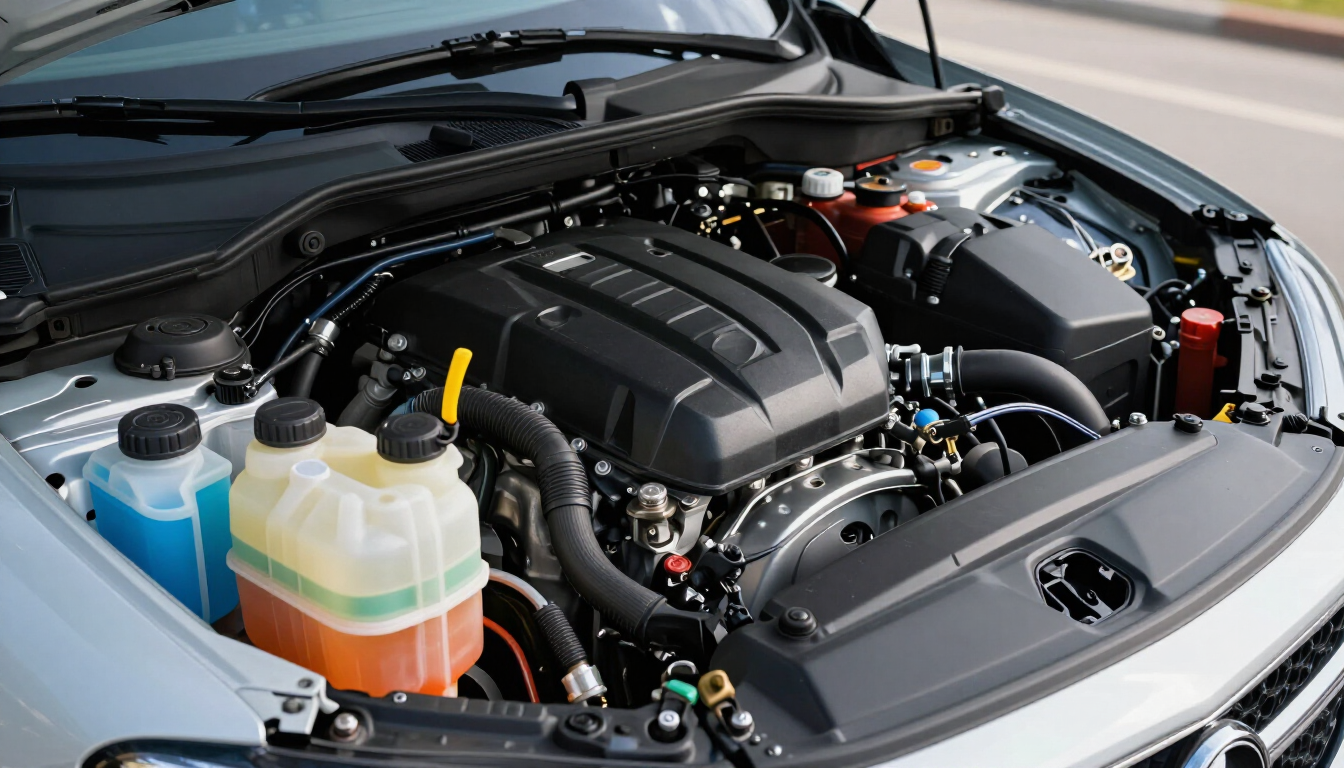
While modern cars have many sensors, nothing beats a manual inspection by a trained eye or a diligent owner. Here are the five most critical fluids to keep an eye on:
- Engine Oil: The primary lubricant that prevents metal-on-metal contact and overheating.
- Engine Coolant (Antifreeze): Regulates the engine's temperature and prevents freezing or boiling over.
- Transmission Fluid: Lubricates the gears and allows for smooth shifting in automatic or manual gearboxes.
- Brake Fluid: A hydraulic fluid that ensures your stopping power is consistent and responsive.
- Power Steering Fluid: Allows for effortless maneuvering and protects the steering pump from wear.
Understanding the Impact of Fluid Contamination
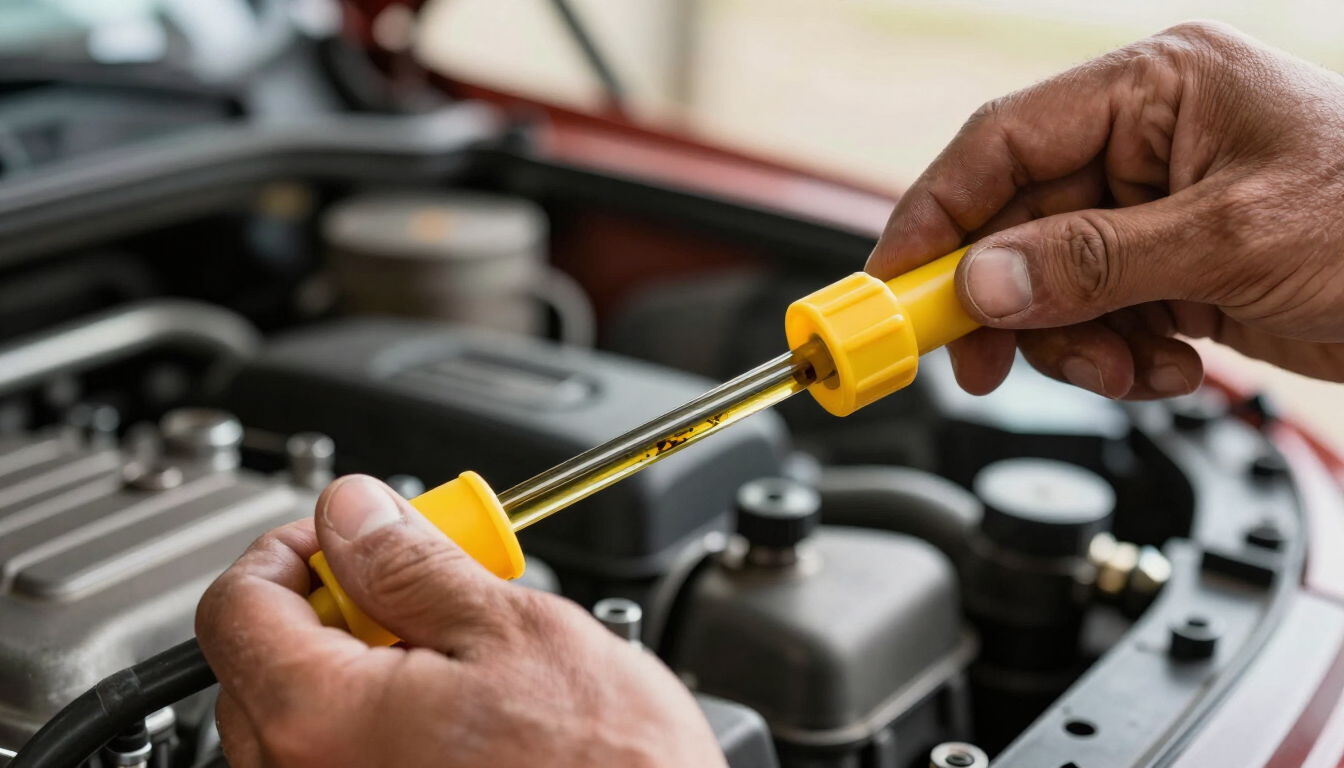
It is not just about the level of the fluid; the quality matters just as much. During a standard vehicle fluid level check at High Tech Auto, our factory-trained technicians look for signs of contamination. For example, if your oil looks like a milky latte, it indicates that coolant is leaking into the oil system, often due to a blown head gasket. If your transmission fluid smells burnt or looks black instead of bright red/pink, it indicates internal wear or overheating.
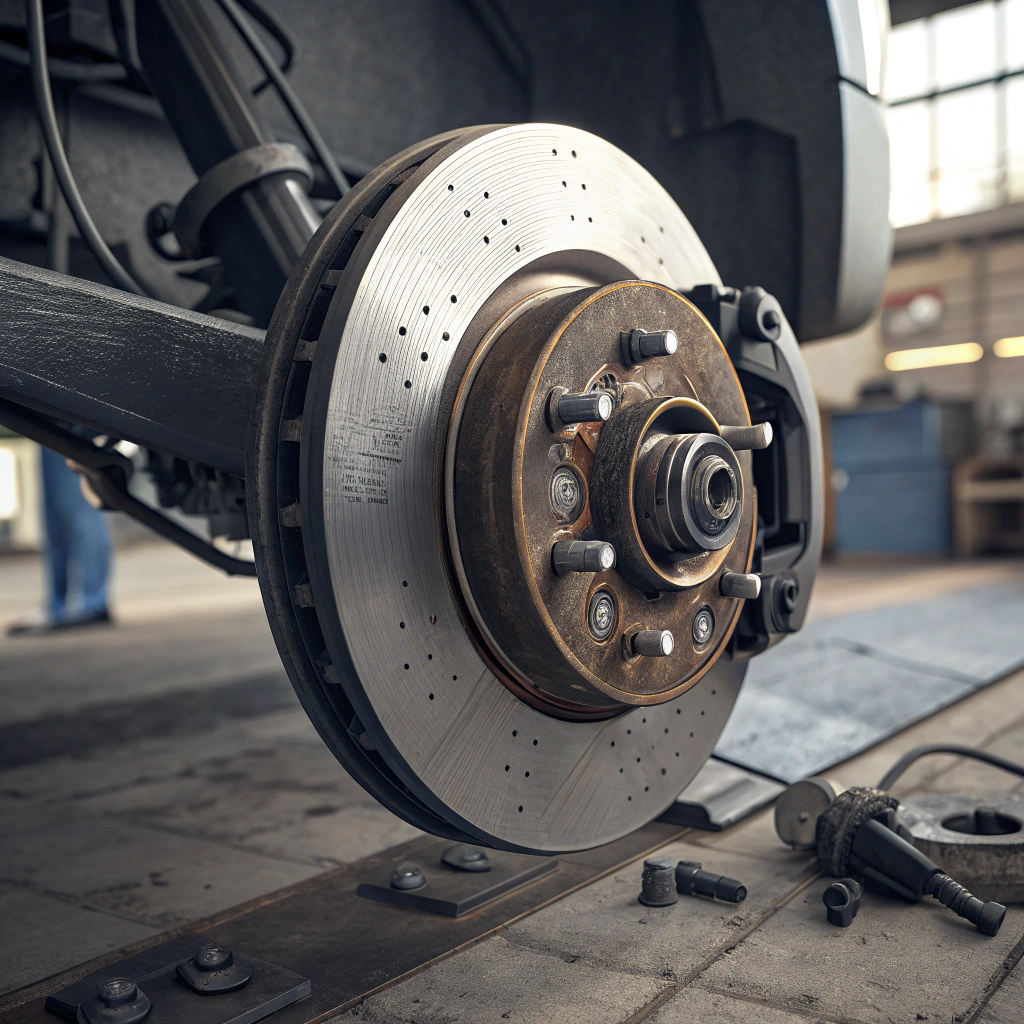
Contaminated fluids lose their chemical properties. Brake fluid, for instance, is hygroscopic, meaning it absorbs moisture from the air over time. Water in your brake lines can boil under the heat of heavy braking (like when descending a steep grade near Santa Maria), leading to a 'spongy' pedal or total brake failure. This is why we don't just 'top off' fluids; we evaluate if they need a full flush to maintain the integrity of your vehicle’s systems.
What happens if you ignore low fluid levels?
Ignoring a low fluid warning or skipping your regular checks is a recipe for a breakdown. In the best-case scenario, you might experience poor performance and decreased fuel economy. In the worst-case scenario, you are looking at a total engine or transmission seizure. Replacing a modern engine can cost upwards of $5,000 to $10,000, whereas a routine check and oil change is a fraction of that cost.
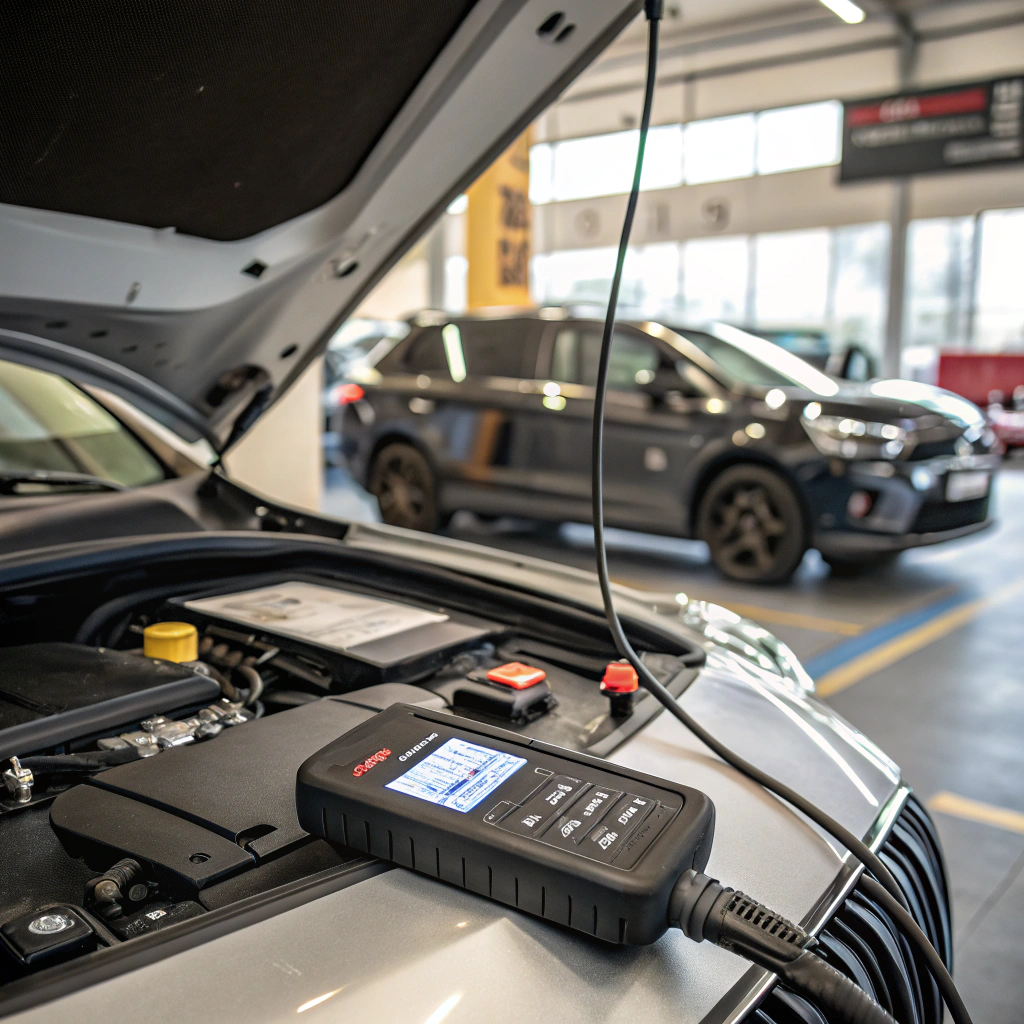
Low coolant is particularly dangerous. If your engine overheats, the cylinder head can warp, leading to a loss of compression and massive repair bills. Similarly, running a transmission low on fluid can burn out the internal clutches in a matter of miles. At High Tech Auto, we use state-of-the-art diagnostic equipment to find the source of fluid loss. If you find yourself constantly topping off your oil or coolant, there is likely a leak that needs professional attention before it leaves you stranded. You can easily book Appointments online to have us take a look.
Why Professional Maintenance Matters at High Tech Auto
While checking your oil at home is a great habit, there are nuances that only a professional technician might catch. Our team at High Tech Auto is specialized in European vehicles, which often have very specific fluid requirements and complex cooling systems. We don't just look at the dipstick; we inspect the seals, hoses, and gaskets that keep those fluids where they belong.
We pride ourselves on being a family-driven service provider in Santa Maria. We know that our neighbors rely on their trucks for work and their SUVs for school runs. That’s why we offer comprehensive services, from Smog Checks to electrical diagnostics. Our goal is to build a lasting relationship with you, ensuring your vehicle stays on the road for its entire intended lifespan. We treat every car that enters our shop at 2310 Westgate Road as if it were our own family vehicle, providing honest communication and transparent pricing every step of the way.

Common Warning Signs You Shouldn't Ignore
Sometimes your car will tell you it's thirsty before the dashboard light ever comes on. Being proactive can save you from a major headache. If you notice any of these signs, it's time to bring your vehicle in for a check:
- Puddles on the driveway: Bright green, orange, or pink is usually coolant; dark brown or black is oil; red is usually transmission or power steering fluid.
- Strange Smells: A sweet, maple syrup smell often indicates a coolant leak, while a thick, acrid smell usually means oil is burning on the exhaust.
- New Noises: Grinding when you turn the wheel could mean low power steering fluid, while ticking in the engine often points to low oil pressure.
- Erratic Shifting: If your car hesitates to change gears or 'revs' without accelerating, your transmission fluid is likely low.
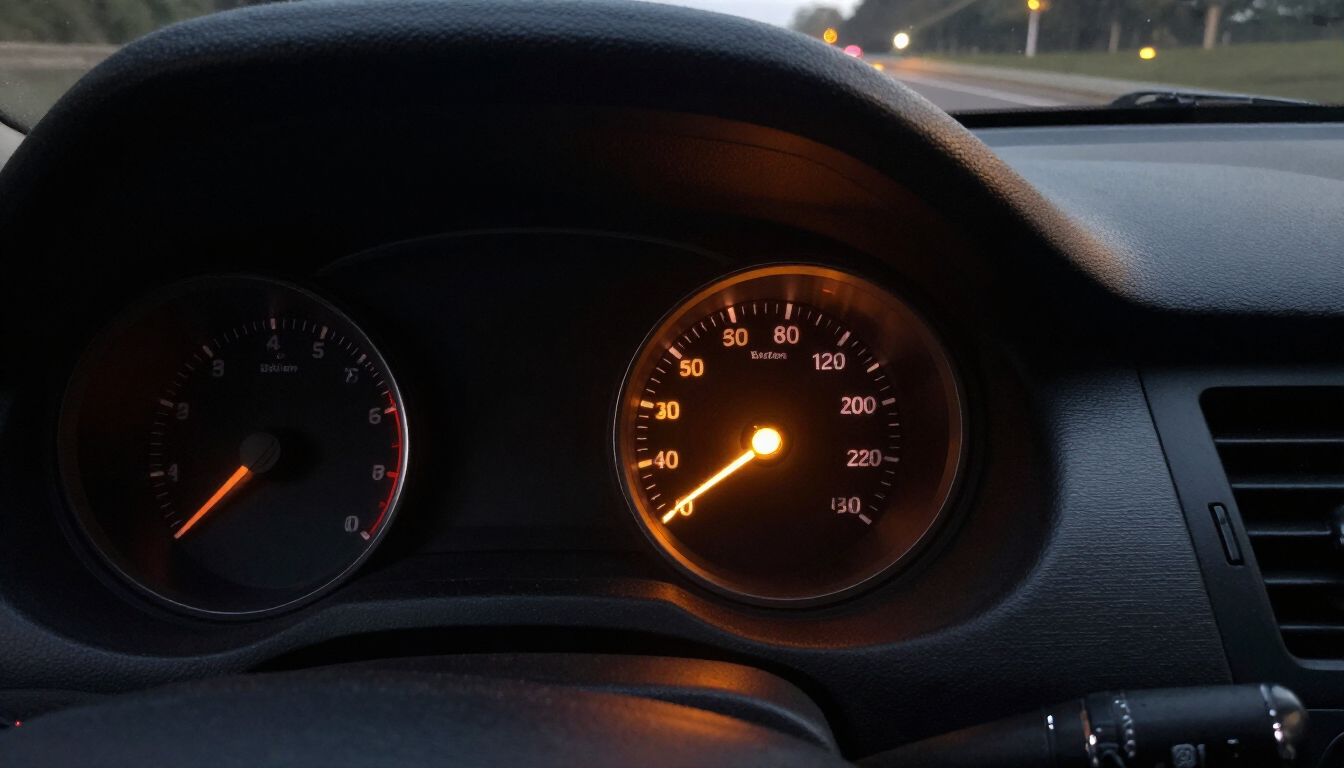
- Temperature Spikes: If your temp gauge is hovering higher than usual, your cooling system is struggling.
Summary of Fluid Maintenance Best Practices
Maintaining proper vehicle fluid level checks is the cornerstone of responsible car ownership. By prioritizing engine lubrication and monitoring the health of your transmission and cooling systems, you ensure a safer, more efficient, and longer-lasting vehicle. Whether you drive a domestic truck or a high-end European sedan, fluids are the key to unlocking maximum performance and peak fuel economy. Don't wait for a warning light to appear—make fluid checks a part of your monthly routine or visit us for a professional inspection.
Key Takeaways for Santa Maria Drivers
- Check monthly: Inspect your oil, coolant, and washer fluid at least once a month between professional services.
- Prioritize quality: Use only the manufacturer-recommended fluid types to protect sensitive engine components.
- Watch for leaks: Address any spots on your garage floor immediately to prevent system failure.
- Trust the pros: For complex systems like brakes and transmissions, let the experts at High Tech Auto perform a deep-dive inspection.
- Save at the pump: Keeping fluids clean and full is one of the easiest ways to improve your fuel economy and reduce engine strain.
If you're unsure about the state of your vehicle's fluids, or if it's been a while since your last check-up, Contact Us today. We’re here to help you stay confident on the road with honest, expert service.